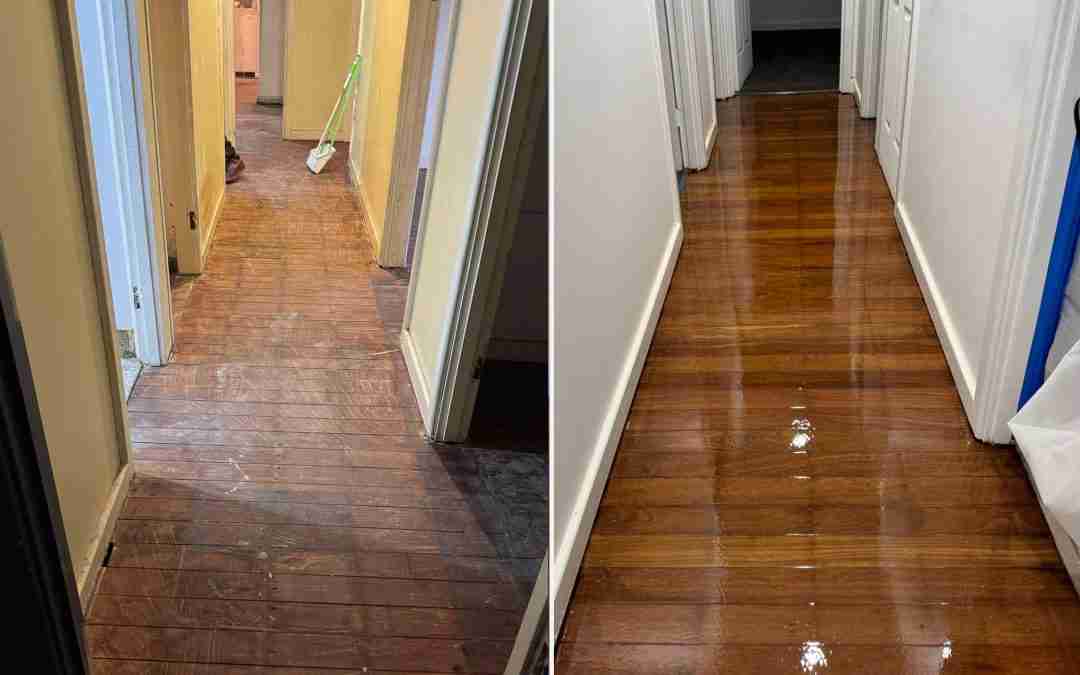
Best Floor Sanding Services in Melbourne

Best Floor Sanding Services in Melbourne

Best floor sanding and polishing Melbourne

Professional Timber Floor Restoration and Polishing

Beautiful timber flooring can completely transform the look and feel of a home or office. Over time, timber floors can become scratched, dull, worn or marked from everyday use. Professional floor sanding and polishing can bring tired timber flooring back to life while helping to protect it for many years to come.

Uniting Floors has years of experience working with timber flooring throughout Melbourne. From preparing and sanding existing timber floors to applying protective coatings and providing ongoing maintenance, the team offers a complete flooring service designed to deliver a beautiful, long-lasting result.

Professional Timber Floor Sanding

Timber floor sanding is a specialised process that removes old coatings, surface marks and imperfections from the timber. It can also help level uneven areas between individual boards and prepare the surface for a new protective finish.

The procedure starts with careful preparation. Any protruding nails need to be punched below the timber surface, while staples, tacks, and other fixings from previous floor coverings are removed. Adhesive and other materials may also need to be removed before sanding can begin. Proper preparation is important because it protects the sanding equipment and creates a cleaner, more consistent finish.

Once the floor has been prepared, specialised sanding machinery is used to remove the old surface. Coarse sanding papers are generally used during the initial stage to remove existing coatings and imperfections and help create a level surface. Areas that cannot be reached by larger sanding machines, including edges, corners and stairs, are carefully sanded using specialised equipment.

The floor is then progressively sanded using finer grades to create a smooth surface ready for finishing. Where appropriate, gaps, holes or damaged sections can also be addressed during the preparation and sanding process.

Best Floor Sanding Service in Melbourne

Finding the Best Floor Sanding Service in Melbourne requires choosing an experienced flooring professional who understands that every timber floor is different. The age, species, condition, and previous coatings on your flooring can all affect how the sanding process needs to be approached.

At Uniting Floors, attention is given to the condition of the existing timber before the work begins. This allows us to select the appropriate sanding techniques and finishing products for the floor. The aim is not simply to remove the old coating, but to reveal the timber’s natural character and create a surface that looks beautiful once finished.

Professional Floor Polishing and Protective Coatings

Once sanding is complete, the next important stage is applying the right protective coating. Depending on the desired appearance and the needs of the property, timber floors can be finished with polyurethane, oils, stains or other suitable sealants.

Professional floor polishing can enhance the natural appearance of timber while adding an extra layer of protection against everyday wear. Polyurethane is a popular choice because it creates a hard, durable surface and is available in different finishes, from low sheen to a higher-gloss appearance.

You can apply several coats, with appropriate preparation and cleaning between coats, to achieve a smooth, even result. Choosing the right finish matters because the coating needs to suit both the timber and how the floor will be used.

Looking After Your Timber Floors

Good maintenance can help extend the life of a professionally sanded and finished timber floor. Consistent cleaning with a suitable microfibre mop helps remove dust and everyday dirt before it can contribute to surface wear.

Over time, timber floors may also benefit from a maintenance coat, sometimes called a reglaze. Timing depends on the floor’s condition and how much traffic it receives. Keeping the protective coating can help prevent unnecessary deterioration and may delay the need for another full sanding process.

Complete Timber Flooring Services

Uniting Floors also provides timber floor laying and preparation services, supplying a complete approach to timber flooring. From selecting quality hardwood flooring and checking important factors such as timber grade and moisture content through to installation, sanding and finishing, experience plays an important role in achieving a quality result.

Whether your existing timber floors have become tired and worn or you are installing new timber flooring, professional artistry can have a significant impact to the finished appearance.

Restore Your Timber Floors with Uniting Floors

If your timber floors look tired, scratched, or dull, professional sanding and polishing can give them a fresh new appearance while helping protect the timber for years to come.

For the Best Floor Sanding Service in Melbourne, contact Jay at Uniting Floors to discuss your flooring requirements 0478 001 336 or fill out the online form below now to get your FREE Quote. Onsite call out fees apply.

How to Remove Carpet and Restore Hardwood Floors

How to Remove Carpet and Restore Hardwood Floors

removing carpet and refinishing hardwood floor, before and after professional finish

Many Melbourne homeowners are pleasantly surprised when they pull up old carpet and discover beautiful hardwood floors hiding underneath. While it can feel like uncovering a hidden treasure, bringing those timber floors back to life often entails careful preparation, repairs, timber floor sanding and refinishing.

If you are considering restoring hardwood floors after removing carpet, understanding the process will help you decide whether it is a project you can tackle yourself or one that is best left to experienced timber flooring professionals.

What to Expect When Removing Carpet

The first step is removing the existing carpet, underlay, staples and fixing strips around the edges of the room. While this sounds straightforward, it can be time-consuming, especially in older homes where carpets may have been installed decades ago.

Once the carpet is removed, you will get your first look at the condition of the timber underneath. Some floors are well preserved, while others may show signs of wear, water damage, stains, scratches, or gaps between boards.

This initial inspection is important because it determines how much restoration work will be required before the floors can be refinished.

Assessing the Condition of Hardwood Floors

After the carpet has been removed, carefully inspect the entire floor surface. Look for deep scratches, loose boards, stains, nail holes, gaps, or areas that may have been affected by moisture.

Many timber floors covered beneath carpet remain structurally sound because they have been protected from daily foot traffic for many years. However, it is common to find adhesive residue, damage to carpet tack strips, and uneven colouring where sunlight has not reached the timber.

Any repairs should be completed before sanding begins to achieve a smooth and professional finish.

Removing Carpet Adhesive and Residue

One of the most challenging parts of the restoration process is removing leftover carpet adhesive and debris. Adhesive can stick firmly to timber surfaces and may interfere with sanding and refinishing if not properly removed.

The floor should first be vacuumed thoroughly to remove dust and loose material. Any adhesive residue can then be softened using appropriate cleaning products designed for timber flooring.

Care must be taken during this stage to avoid damaging the timber surface. Using excessive water or harsh chemicals can create additional problems and may affect the final finish.

Repairing Scratches, Gaps and Surface Damage

Most older hardwood floors will require some level of repair before refinishing.

Minor scratches can often be blended into the surrounding timber during sanding. Deeper gouges may need filling or board replacement, depending on the severity of the damage.

Gaps between boards are another common issue, particularly in older Melbourne homes where timber has naturally expanded and contracted over many years. Professional timber floor specialists can assess whether filling, board replacement, or other repairs are appropriate.

Completing repairs before sanding yields a much more attractive and durable finish.

Timber Floor Sanding Process in Melbourne

Sanding Hardwood Floors

Sanding is the stage where old, worn timber is transformed back into beautiful hardwood flooring.

Professional floor sanding removes old coatings, stains, scratches and surface imperfections, although revealing the natural beauty of the timber underneath.

The procedure generally begins with coarse sanding to remove existing finishes and level the surface. Multiple sanding passes are then completed with progressively finer grits to achieve a smooth finish.

Dust control is particularly important during this stage. Modern floor sanding equipment is designed to minimise airborne dust and create a cleaner working environment.

Proper sanding requires experience and specialised equipment. Uneven sanding or incorrect techniques can leave visible marks that are difficult to correct later.

Choosing the Right Timber Floor Finish

Once sanding is complete, the timber is ready for refinishing.

The finish you choose will influence the appearance, durability, and maintenance requirements of your floor for many years. Many Melbourne homeowners choose water-based polyurethane because it dries quickly, has lower odour levels and provides a clear, modern appearance.

Oil-based finishes remain popular for people seeking a warmer, richer look that enhances the natural character of timber floors.

The right finish relies on factors such as household traffic levels, design preferences, maintenance expectations and the species of timber being restored.

Applying the Finish

Applying the finish is one of the most important stages of the entire restoration process.

Each coat must be applied evenly to achieve a smooth, consistent appearance across the floor. Multiple coats are usually required to provide long-term durability and protection.

Between coats, the floor is lightly sanded and cleaned to ensure excellent adhesion and a professional finish.

While many homeowners consider applying finishes themselves, achieving a flawless result often requires specialised knowledge, experience, and equipment.

Cost to Pull Up Carpet and Refinish Hardwood Floors in Melbourne

One of the most common questions homeowners ask is about the Cost to pull up carpet and refinish hardwood floors in Melbourne.

The total cost varies depending on different factors, including:

  • The size of the area being restored.
  • The condition of the timber underneath.
  • The amount of adhesive removal required.
  • Any repairs needed to damaged boards.
  • The type of finish selected.
  • Accessibility and site conditions.

In some cases, minimal preparation is required, and costs remain relatively low. In other situations, significant repairs and restoration work may be necessary before sanding and refinishing can begin.

The most accurate way to determine pricing is to arrange a professional assessment of your floors. This allows the condition of the timber to be properly evaluated and an accurate quote provided.

Bringing Your Hardwood Floors Back to Life

Restoring hardwood floors after removing carpet can dramatically improve the appearance, value and character of your home. While the process includes several important steps, the end result is often a stunning timber floor that becomes a feature of the property for many years to come.

If you are considering removing carpet and restoring hardwood floors, the team at Uniting Floors can help. With extensive experience in timber floor sanding, polishing, repairs and refinishing throughout Melbourne, they can assess your floors and provide expert advice on the best restoration approach. To discuss your project, call Jay on 0478 001 336 or visit this page to request a free online quote.


References

• National Wood Flooring Association (NWFA) 2024, Wood Floor Sanding and Finishing Guidelines, National Wood Flooring Association, viewed 10 June 2026
• Better Homes & Gardens 2024, How to Refinish Hardwood Floors, Better Homes & Gardens, viewed 10 June 2026
• Australian Timber Flooring Association (ATFA) 2024, Timber Flooring Industry Resources and Technical Information, Australian Timber Flooring Association, viewed 10 June 2026.

A Guide to the Best Timber Floor Finishes in Melbourne

A Guide to the Best Timber Floor Finishes in Melbourne

Floor Finishing Melbourne, Types of timber floor Finishes, Best finish for timber floors

Bringing Your Timber Floors Back to Life

If your timber floors are starting to look tired, scratched or dull, you’re not alone. Many homes across Melbourne experience natural wear and tear from daily use, pets, spills and changing weather conditions. The good news? With the right timber floor sanding and finishing, you can restore your flooring to its former beauty, or even make it look better than the day it was installed.

At Uniting Floors, we specialise in Floor Finishing in Melbourne, offering bespoke sanding and polishing services that highlight the natural character of your timber while giving it long-lasting protection. Whether you’re renovating, preparing your home for sale, or refreshing a space you love, the right finish makes all the difference.

Types of Timber Floor Finishes: Choosing the Best for Your Home

One of the first questions people ask is: What is the best finish for timber floors? The truth is, the “best” depends on your lifestyle, the look you want, and how much maintenance you’re comfortable with. Understanding the types of timber floor finishes helps ensure you make an informed decision.

  1. Water-Based Polyurethane

A popular choice across Melbourne homes, water-based polyurethane is low-odour, fast-drying and eco-friendly. It gives a clean, modern finish while providing excellent durability. This option is ideal for families and high-traffic homes.

  1. Solvent-Based Polyurethane

Known for its stunning glossy appearance, this finish is incredibly tough and long-lasting. Although it has a more pungent smell during application, many homeowners love its rich, deep tone, which beautifully enhances timber grain.

  1. Hard Wax Oils

For those wanting a natural, matte look, hard wax oils are a fantastic choice. They penetrate deeply into the timber, bringing out warm, earthy hues while providing a breathable surface. They’re easy to maintain and patch-repair, making them great for people wanting a more organic aesthetic.

  1. Penetrating Oils

These finishes seep into the timber, nourishing the wood fibres and offering a soft, classic look. While they require more maintenance, they’re perfect for heritage homes, holiday properties and anyone wanting a warm, timeless feel.

Timber Floor Finishing and How the Process Works

Our timber floor restoration service is designed to restore your floors seamlessly and efficiently. Once sanding is complete, the real magic begins. Here’s how we create a flawless, long-lasting finish:

Custom Colouring (Optional)

If you’d like your floors darker, lighter or tinted to match your décor, we can apply a customised stain before sealing. From coastal blondes to rich chocolate browns, the options are endless.

Professional Sealing

A high-quality wood sealer is applied to lock in the timber colour, protect against moisture and create a strong base for subsequent coats.

Multiple Finish Coats

Your chosen finish — whether polyurethane, oil or wax — is applied in several layers. Each layer is lightly sanded to ensure a silky-smooth, even surface. This step is crucial to achieving a premium result.

Buffing for Extra Shine

If you prefer a glossy, polished timber floor, we can buff the final coat for added brilliance.

Drying and Curing

Just as with fresh paint, finishes need time to cure fully. Light foot traffic can typically resume after 24 hours, while furniture should stay off the floors for a few days to avoid dents or marks.

Final Inspection

We check every detail to ensure the finish is flawless — smooth, even, and beautifully enhanced.

Why Choose Uniting Floors for Floor Finishing Melbourne?

  • When it comes to restoring timber floors, experience matters. At Uniting Floors:
  • We use premium products designed for Australian conditions.
  • Our team has decades of combined experience in floor sanding and finishing.
  • We offer eco-friendly low-VOC options for healthier homes.
  • We take the time to understand your vision so the final result aligns perfectly with your goals.

Your timber floors deserve expert care — and a finish that stands the test of time.

Call Jay, the owner of Uniting Floors, today on 0478 001 336 to discuss your floor sanding or restoration project, or fill out the form below to get a free, no-obligation quote. Your timber floors deserve the best — let’s bring them back to life.

Timber Floor Sanding and Polishing Mentone

Timber Floor Sanding and Polishing Mentone

floor sanding polishing mentone Vic 3194

Timber Floor Sanding and Polishing in Mentone VIC 3194

A Complete Guide for Homeowners

Timber flooring remains one of the most popular choices for homeowners due to its natural beauty, durability, and warmth. Whether you’ve just installed new floorboards or are restoring an older surface, professional timber floor sanding and polishing services in Mentone are necessary for achieving a smooth, long-lasting finish.

Many people assume that newly installed timber floors are ready to use straight away. Without proper sanding and polishing, even new floors can appear uneven and wear out more quickly. This is where professional finishing makes all the difference.

Why Sanding and Polishing Is Essential in Mentone Victoria

Sanding and polishing are not just cosmetic steps—they are necessary for both the appearance and finishing of your timber floors. When timber boards are installed, slight variations in height, small gaps, and surface imperfections may occur. Sanding smooths out these flaws, creating a level and seamless surface.

Polishing then seals and protects the timber, helping it withstand moisture, daily foot traffic and wear and tear. It also enhances the wood’s natural grain, giving your floors a rich, refined look.

For property owners considering wooden floor refinishing in Mentone, sanding removes old coatings, scratches and stains, restoring the timber rather than replacing it. This makes refinishing a cost-effective and environmentally friendly option.

Preparing Your Home for the Process

Before the sanding process begins, proper preparation is important to ensure the best results. If you’re renovating or building, it’s recommended that all painting and wall work be completed first. This prevents any damage or marks on freshly finished floors.

If the space is in use, remove all furniture, rugs and decor. Clearing the area lets professionals work efficiently and protects your belongings.

Sanding creates dust, but modern equipment greatly reduces it. Cover vents, doorways and nearby areas to keep your home clean. Your floor sanding specialist will look for protruding nails, loose boards, or damage before starting.

The Sanding and Polishing Process Explained

Professionally, timber floor sanding and polishing commonly involves several stages to achieve a high-quality finish.

The process starts with coarse sanding to remove imperfections and level boards. This is necessary for both new and old floors.

Following this, additional sanding passes are completed to further smooth the surface and prepare it for finishing. Most floors require multiple passes using different grades of sandpaper to achieve the desired result.

For wooden floor refinishing in Mentone, this stage also removes old varnish, stains, and coatings, bringing the timber back to its natural state.

Once sanding is complete, the floor is thoroughly cleaned to remove all dust and debris. A sealer is then applied to protect the timber and prepare it for polishing. Depending on your preference, a stain may also be applied to enhance or change the wood’s colour.

A protective finish is applied last—matte, satin, or gloss, depending on your preference. This enhances appearance and protects from daily wear.

How Long Does It Take?

Sanding and polishing time depends on the area size and the floor condition. Smaller spaces may finish in a day; larger homes take several days.

Drying time matters. Floors may be touch-dry in hours and best to wait several days before heavy traffic or furniture placement to allow full curing.

Weather, ventilation and product choice also affect drying times.

Long-Term Advantages of Professional Floor Finishing

Investing in professional sanding and polishing provides long-term value. Properly finished timber floors are easier to maintain, more resistant to damage and can greatly improve your home’s overall appearance.

Consistent upkeep and refinishing can extend your floors’ life by decades. Refinishing restores beauty at a lower cost than replacement.

Prepared to Transform Your Timber Floors?

If your floors are looking worn, uneven, or simply need a professional finish, now is the perfect time to act. Expert timber floor sanding and polishing services can completely improve your space and bring out the natural beauty of your timber while protecting it for years to come.

For trusted workmanship, call Jay, the founder of Uniting Floors in Melbourne, at 0478 001 336, or request a free quote online by filling out the form below to start the conversation for the ideal solution for your home.

References
• Wood Products Australia, 2018, Timber flooring and finishes guide - fwpa.com.au
• Standards Australia 2014,AS 4786 Timber Flooring – Installation and Sanding. Available at Standards Australia
Solid Hardwood Timber Flooring in Melbourne

Solid Hardwood Timber Flooring in Melbourne

hardwood flooring installation in MelbourneA Timeless Investment for Your Home

When it comes to flooring that truly transforms a home, solid hardwood flooring is hard to beat. Renowned for its natural beauty, durability, and long-term value, hardwood has remained one of the most sought-after flooring options in Melbourne homes for decades. Unlike many modern alternatives, solid wood flooring offers not just style, but also a level of strength and longevity that ensures it remains an asset for years to come.

At Uniting Floors, we specialise in supplying and installing premium solid hardwood flooring in Melbourne. From classic Australian species to elegant international timbers, we help homeowners achieve flooring that reflects their personal style while adding genuine value to their property.

Why Choose Solid Wood Flooring?

Solid wood flooring is crafted from single planks of timber, cut directly from the log, making it a flooring option of unrivalled authenticity. Unlike engineered or laminate products, it is designed to last for generations. One of its biggest advantages is its ability to be sanded and polished multiple times—often up to four or five times during its lifespan. This means your floors can be refreshed whenever they begin to show signs of wear, ensuring they always look their best.

In addition to being highly durable, solid wood flooring naturally adds warmth and elegance to a home. Whether you live in a modern apartment or a period property, timber adds character, depth, and an unmistakable sense of quality.

A Wide Range of Timber Species

Uniting Floors offers one of the most extensive selections of solid hardwood flooring in Melbourne. Each species of timber carries unique qualities in terms of colour, grain, and texture, allowing you to find the perfect match for your home.

Popular choices include:

• Tasmanian Oak – light in colour with a fine grain, ideal for contemporary interiors.
• Sydney Blue Gum – a rich red-brown timber that adds warmth and sophistication.
• Spotted Gum – highly durable with striking grain variations, perfect for high-traffic areas.
• Blackbutt – pale and clean in appearance, offering a bright and modern look.
• Jarrah – a deep, luxurious red hardwood that makes a bold statement.
• Brazilian Teak and Cherry – exotic timbers renowned for their colour and hardness.
• Red Mahogany and King Teak – rich, durable timbers with timeless appeal.

For those seeking premium elegance, solid oak flooring in Melbourne is another highly popular option. Oak’s versatility in colour and finish makes it a favourite for both modern and traditional spaces.

Sizes and Grades to Suit Every Home

Hardwood floors are available in a range of board sizes and grades. The most common sizes are 80 x 19 mm, 108 x 19 mm, and 130 x 19 mm; however, wider boards, such as 180 mm or even 210 mm, are also available in some species.

Grades vary depending on the natural features of the timber:

• Select grade – consistent in colour with minimal natural markings.
• Standard grade – a balance between natural character and uniformity.
• High feature grade – showcases the full beauty of natural markings and grain.

Choosing the right grade depends on the look you want to achieve, whether it’s a clean, modern aesthetic or a rustic, character-rich finish.

Installation and Finishing Options

Installing solid hardwood flooring takes time and expertise, but the results are well worth it. At Uniting Floors, we can install your timber floors over a range of subfloors, including concrete slabs, timber joists, or even existing wooden floors.

Preparation is key: some subfloors may require levelling or moisture protection before installation. Once laid, the flooring can be finished in your preferred sheen—matt, satin, or gloss—to suit your home’s style.

Another option is prefinished solid hardwood flooring, which comes with a factory-applied finish. This reduces installation time, but it requires careful preparation of the subfloor, as sanding after installation isn’t possible.

Why Choose Uniting Floors?

At Uniting Floors, we bring over 10 years of experience to every project. Our team of fully qualified professionals takes pride in delivering outstanding craftsmanship, using only premium materials and equipment. We also back our work with a 12-month artistry warranty, giving you peace of mind that your investment is in safe hands.

We are known across Melbourne for our honest advice, responsive service, and dedication to customer satisfaction. Whether you’re upgrading one room or transforming an entire home, we’ll work with you to deliver flooring that is not only beautiful but built to last.

 Call to Action

Please don’t settle for second best when it comes to your floors. Invest in the strength, style, and enduring beauty of solid hardwood flooring in Melbourne with Uniting Floors.

Call us today on 0478 001 336 or request a free measure and quote by filling out the form below. Let us help you create a home with timeless flooring that will be admired for generations to come.

REFERENCES
1. Australian Timber Flooring Association (ATFA). (2023). Hardwood Flooring Guide. Available at: atfa.com.au [Accessed 12 Sept. 2025].
2. Forest Stewardship Council (FSC Australia). (2022). Certified Sustainable Timber Products. Available at: au.fsc.org [Accessed 12 Sept. 2025].
3. Housing Industry Association (HIA). (2022). Flooring Choices in Australian Homes. Available at: hia.com.au [Accessed 12 Sept. 2025].


Is Floor Sanding Expensive in Melbourne?

Is Floor Sanding Expensive in Melbourne?

sanding floor with dram sander

Floor sanding is an important process in the maintenance and restoration of flooring surfaces, which plays an important role in increasing the aesthetics and longevity of floors. It carefully removes old finishes, scratches, and imperfections from the surface of wooden floors, and then applies new finishes to restore their original luster and beauty. Floor sanding services in Melbourne are priced at $22 to $32 per square meter, which covers the cost of polishing as well.

This process is especially important for Melbourne homeowners, where the beauty of timber flooring is closely tied to the city’s architectural heritage and contemporary design trends. While floor sanding plays a key role in preserving both the look and structural integrity of timber floors, it’s also important to understand the costs involved. Having a clear picture of these expenses helps homeowners make informed decisions and ensures their investment delivers long-lasting value as well as enhanced visual appeal. For anyone considering a floor sanding project in Melbourne, taking the time to understand the associated costs is an essential step.

Average Cost Estimates

Research findings on average floor sanding costs in Melbourne

Research into the average cost of floor sanding in Melbourne shows that most services range between AUD $25 and $35 per square metre. This estimate generally covers the standard sanding process but does not include extra work such as repairs or specialised treatments. The final price can vary depending on factors like the size of the area, the current condition of the floor, and the specific needs of the project. To get the most accurate and competitive pricing, homeowners are encouraged to seek multiple quotes from trusted floor sanding companies like us at Uniting Floors.

Comparison of costs for different types of flooring and sizes of rooms

When comparing floor sanding costs across various floor types and room sizes, several factors need to be considered. Hardwood floors typically attract higher sanding costs than engineered or softwood options, largely because of their density and durability. Likewise, larger rooms usually require more time, labour, and materials, which can increase the overall price. For this reason, homeowners should take these variables into account when planning their budget and ensure they obtain a tailored quote that reflects their specific needs and preferences.

Case studies or examples to illustrate cost variations based on specific scenarios:

Case Study 1:

Scenario: A Melbourne homeowner wants to sand hardwood floors in a 100-square-metre living room.

Cost Estimate: Based on an average cost range of AUD 25 to $35 per square meter, the estimated total cost to sand a living room floor would be AUD 2,500 to $3,500.

Case Study 2:

Scenario: Another homeowner in Melbourne needs floor sanding for a small area, such as a 30-square-metre bedroom with engineered wood flooring.

Cost Estimates: Applying similar pricing parameters, the estimated total cost for sanding the bedroom floor would range from AUD 750 to $1,050.

These case studies highlight the impact of factors such as room size and flooring material on floor sanding costs. By analysing specific situations and obtaining personalised quotes from sanding service providers, homeowners can gain insight into potential cost variations and make informed decisions about their floor sanding projects in Melbourne.

Understanding Floor Sanding

A closer look at the floor sanding process

Floor sanding is a precise and careful process designed to restore timber floors by removing old finishes, scratches and imperfections. The process usually begins with coarse-grade sandpaper, which strips back the existing coating and levels out any uneven surfaces. Finer grades of sandpaper are then used to create a smooth, consistent finish across the entire floor. During the sanding process, damaged sections or small gaps can also be repaired, helping to achieve a seamless result. To complete the restoration, a fresh finish such as varnish, polish, or sealant is applied, enhancing both the durability and visual appeal of the timber.

Why Floor Sanding is Essential for Timber Floors

Floor sanding plays a vital role in both maintaining the appearance and protecting the structural integrity of timber floors. Over time, everyday wear and tear from foot traffic, moving furniture, and environmental exposure can leave floors looking dull, scratched, or uneven. Sanding removes these imperfections, reviving the natural beauty of the timber and restoring its warmth and vibrancy. The process also allows for the application of a fresh protective finish, which not only enhances the look of the floor but also strengthens it against future damage. Whether it’s repairing deep scratches, stripping away a worn finish, or simply updating the style of a home during renovations, floor sanding provides a practical and cost-effective way to extend the life of timber floors while improving both their functionality and overall value.

Cost Components of Floor Sanding

Breakdown of the different cost components involved in floor sanding

When considering the costs associated with floor sanding, it is essential to understand the breakdown of the various cost components involved in the process. These components usually include material costs, labor costs, and overhead costs.

Material costs (sanding equipment, sandpaper, finish)

Material costs include the costs incurred to acquire the equipment and supplies needed for the floor-sanding project. This includes renting or buying sanding equipment like floor sanders, edgers, and buffers, as well as stocking up on sandpaper in different grits to achieve the desired smoothness. In addition, material costs include the purchase of finishing products such as varnishes, sealants, or waxes, which are applied to the sanded surface to protect and enhance its appearance.

Labor costs (professional sanding services)

Labor costs represent the costs associated with hiring a professional sanding service to handle a floor-sanding project. Professional sanding services usually charge for the skill, time, and labor required to carry out the sanding process efficiently and effectively. Labor costs can vary depending on factors such as the size and complexity of the job, the type of flooring material, and the reputation and experience of the sanding service provider.

Additional expenses (repairs, disposal of waste materials)

In addition to material and labor costs, there can be additional costs associated with floor sanding projects. This may include the cost of repairing any damaged areas or fixing structural problems with the flooring surface. Additionally, disposal fees may apply for removing and properly disposing of waste materials such as old finish, dust, and debris generated during the sanding process. These additional costs should be included in the overall budget for the floor sanding project to ensure a comprehensive and accurate estimate of costs.

Factors Influencing Floor Sanding Costs in Melbourne

Melbourne’s unique market factors affecting floor sanding costs

The cost of floor sanding in Melbourne is influenced by various market factors specific to the region. These factors may include the overall demand for floor sanding services, the availability of skilled professionals, and prevailing market rates for materials and labor. Additionally, economic conditions, such as inflation rates and currency value fluctuations, can affect the cost of floor sanding in Melbourne compared to other regions.

Size and condition of the floor surface

The size and condition of the floor surface play an important role in determining the cost of floor sanding. Larger floor areas require more time, labor, and materials to complete the sanding process, which can result in higher overall costs. Similarly, the condition of the floor surface, including the extent of damage, wear, and existing finish, can affect the complexity and duration of the sanding job, thereby affecting the final cost.

Type of flooring material (hardwood, engineered wood, etc.)

The type of flooring material also affects the cost of floor sanding. Different types of wood have varying degrees of hardness, density, and sensitivity to wear, which can affect the difficulty and duration of the sanding process. For example, hardwood floors may require more intensive sanding than engineered wood or softwood floors, resulting in higher labor and material costs.

Complexity of the job (presence of intricate designs, tight spaces)

The complexity of the floor-sanding job can significantly affect its cost. Floors with complex designs, patterns, or inlays may require additional time and precision to effectively sand, resulting in higher labor costs. Likewise, tight or hard-to-reach areas such as corners, edges, or areas around fixtures may require special tools or techniques, contributing to increased costs.

Accessibility of the site

The accessibility of the site where the floor sanding will be done can affect the overall cost of the project. Factors such as site proximity to transportation routes, availability of parking, and ease of moving equipment and materials to location can affect labor efficiency and time required for work. Sites with limited accessibility may incur additional logistical challenges and costs, which may affect the final price.

Reputation and expertise of the sanding service provider

The reputation and expertise of the sanding service provider can also affect the cost of floor sanding in Melbourne. Established and reputable professionals with a record of accomplishment in delivering high-quality results can command high prices for their services. Conversely, less experienced or less reputable providers may offer lower rates but may not provide the same level of quality or satisfaction. Finally, homeowners should consider the reputation and expertise of the sanding service provider when evaluating the cost-effectiveness of their services.

Tips for Cost-Effective Floor Sanding

Strategies for homeowners to minimise floor sanding expenses

Homeowners can use several techniques to reduce floor-sanding costs while ensuring satisfactory results. One method is to opt for partial sanding instead of sanding the entire floor if only specific areas need attention. Additionally, scheduling floor sanding projects during the off-peak season or negotiating discounts with sanding service providers can help reduce costs. Additionally, exploring DIY options for simple sanding jobs or doing prep work in advance can contribute to overall savings.

DIY options versus hiring professional services

When considering floor sanding, homeowners must consider the pros and cons of DIY options versus hiring professional services. While DIY sanding kits can save upfront costs, they require a certain level of skill, equipment, and time commitment. In contrast, professional sanding services offer efficiency, effectiveness, and quality assurance, albeit at a higher cost. Homeowners should evaluate their capabilities, budget, and project requirements to determine the most cost-effective and appropriate method for their needs.


Preparing the floor surface adequately to reduce labor time and costs

Proper preparation of the floor surface is crucial to reduce labor time and cost during the sanding process. This includes removing obstructions from furniture, fixtures, and sanding areas, as well as addressing surface imperfections or repairs in advance. Thorough cleaning of floor surfaces and vacuuming can streamline the sanding process by reducing the risk of clogging or damaging sanding equipment. By investing time and effort in adequate preparation, homeowners can optimise the efficiency and cost-effectiveness of floor sanding projects.

Comparing quotes from multiple sanding service providers

To ensure competitive pricing and quality service, homeowners should obtain quotes from multiple sanding service providers before committing to a specific contractor. When comparing quotes, it is essential to consider factors such as the scope of work, materials used, and the inclusion of warranties or guarantees. Additionally, homeowners should seek references or reviews from past clients to assess the reputation and reliability of potential sanding service providers. By conducting thorough research and obtaining multiple quotes, homeowners can make informed decisions and secure the best value for their floor sanding investment.

Balancing Cost with Quality

Importance of considering quality & cost

When undertaking a floor-sanding project, homeowners must recognise the importance of balancing cost with quality. While it may be tempting to prioritise cost-saving measures, it is equally important to consider the quality of workmanship and materials used. Quality floor sanding ensures a durable and aesthetically pleasing result that enhances the overall look and value of the property. Therefore, homeowners should weigh the upfront costs against the long-term benefits of investing in high-quality floor sanding services.

Risks of opting for the cheapest option without considering the quality of work

Choosing the cheapest floor sanding option without considering the quality of the work can lead to significant risks and pitfalls. While this may initially seem like a cost-effective choice, choosing low-quality services or materials can lead to subpar results, including uneven surfaces, poor finishes and premature wear and tear. Additionally, inadequate sanding techniques or poor-quality products can compromise the structural integrity of the floor, leading to expensive repairs or replacements down the line. Homeowners should exercise caution when selecting floor-sanding services and prioritise quality over short-term cost savings.

How investing in quality floor sanding can lead to long-term benefits and savings

Investing in quality floor sanding services may have a higher upfront cost, but it offers many long-term benefits and savings. High-quality floor sanding ensures a durable and long-lasting finish that withstands daily wear and tear, reducing the need for frequent maintenance and repairs.

By prioritising quality in floor sanding, homeowners can enjoy a beautiful and resilient timber floor that maintains its appearance and performance for years to come, ultimately saving time and money in the long run. Although the initial investment may be high, the returns on durability, aesthetics and overall satisfaction justify the cost of quality floor sanding services.

Get a Free Quote or Call Your Timber Flooring Guru Today.