

Is Floor Sanding Expensive in Melbourne?
Floor sanding is an important process in the maintenance and restoration of flooring surfaces, which plays an important role in increasing the aesthetics and longevity of floors. It carefully removes old finishes, scratches, and imperfections from the surface of wooden floors, and then applies new finishes to restore their original luster and beauty. Floor sanding services in Melbourne are priced at $22 to $32 per square meter, which covers the cost of polishing as well.
This process is especially important for Melbourne homeowners, where the beauty of timber flooring is closely tied to the city’s architectural heritage and contemporary design trends. While floor sanding plays a key role in preserving both the look and structural integrity of timber floors, it’s also important to understand the costs involved. Having a clear picture of these expenses helps homeowners make informed decisions and ensures their investment delivers long-lasting value as well as enhanced visual appeal. For anyone considering a floor sanding project in Melbourne, taking the time to understand the associated costs is an essential step.
Average Cost Estimates
Research findings on average floor sanding costs in Melbourne
Research into the average cost of floor sanding in Melbourne shows that most services range between AUD $25 and $35 per square metre. This estimate generally covers the standard sanding process but does not include extra work such as repairs or specialised treatments. The final price can vary depending on factors like the size of the area, the current condition of the floor, and the specific needs of the project. To get the most accurate and competitive pricing, homeowners are encouraged to seek multiple quotes from trusted floor sanding companies like us at Uniting Floors.
Comparison of costs for different types of flooring and sizes of rooms
When comparing floor sanding costs across various floor types and room sizes, several factors need to be considered. Hardwood floors typically attract higher sanding costs than engineered or softwood options, largely because of their density and durability. Likewise, larger rooms usually require more time, labour, and materials, which can increase the overall price. For this reason, homeowners should take these variables into account when planning their budget and ensure they obtain a tailored quote that reflects their specific needs and preferences.
Case studies or examples to illustrate cost variations based on specific scenarios:
Case Study 1:
Scenario: A Melbourne homeowner wants to sand hardwood floors in a 100-square-metre living room.
Cost Estimate: Based on an average cost range of AUD 25 to $35 per square meter, the estimated total cost to sand a living room floor would be AUD 2,500 to $3,500.
Case Study 2:
Scenario: Another homeowner in Melbourne needs floor sanding for a small area, such as a 30-square-metre bedroom with engineered wood flooring.
Cost Estimates: Applying similar pricing parameters, the estimated total cost for sanding the bedroom floor would range from AUD 750 to $1,050.
These case studies highlight the impact of factors such as room size and flooring material on floor sanding costs. By analysing specific situations and obtaining personalised quotes from sanding service providers, homeowners can gain insight into potential cost variations and make informed decisions about their floor sanding projects in Melbourne.
Understanding Floor Sanding
A closer look at the floor sanding process
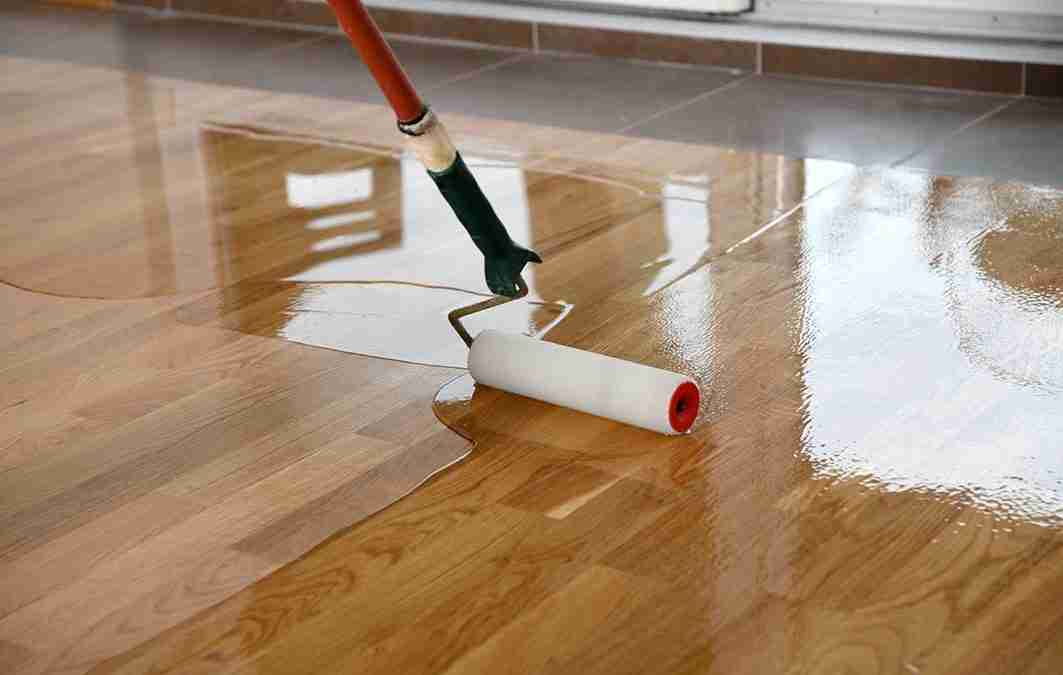
Floor sanding is a precise and careful process designed to restore timber floors by removing old finishes, scratches and imperfections. The process usually begins with coarse-grade sandpaper, which strips back the existing coating and levels out any uneven surfaces. Finer grades of sandpaper are then used to create a smooth, consistent finish across the entire floor. During the sanding process, damaged sections or small gaps can also be repaired, helping to achieve a seamless result. To complete the restoration, a fresh finish such as varnish, polish, or sealant is applied, enhancing both the durability and visual appeal of the timber.
Why Floor Sanding is Essential for Timber Floors
Floor sanding plays a vital role in both maintaining the appearance and protecting the structural integrity of timber floors. Over time, everyday wear and tear from foot traffic, moving furniture, and environmental exposure can leave floors looking dull, scratched, or uneven. Sanding removes these imperfections, reviving the natural beauty of the timber and restoring its warmth and vibrancy. The process also allows for the application of a fresh protective finish, which not only enhances the look of the floor but also strengthens it against future damage. Whether it’s repairing deep scratches, stripping away a worn finish, or simply updating the style of a home during renovations, floor sanding provides a practical and cost-effective way to extend the life of timber floors while improving both their functionality and overall value.
Cost Components of Floor Sanding
Breakdown of the different cost components involved in floor sanding
When considering the costs associated with floor sanding, it is essential to understand the breakdown of the various cost components involved in the process. These components usually include material costs, labor costs, and overhead costs.
Material costs (sanding equipment, sandpaper, finish)
Material costs include the costs incurred to acquire the equipment and supplies needed for the floor-sanding project. This includes renting or buying sanding equipment like floor sanders, edgers, and buffers, as well as stocking up on sandpaper in different grits to achieve the desired smoothness. In addition, material costs include the purchase of finishing products such as varnishes, sealants, or waxes, which are applied to the sanded surface to protect and enhance its appearance.
Labor costs (professional sanding services)
Labor costs represent the costs associated with hiring a professional sanding service to handle a floor-sanding project. Professional sanding services usually charge for the skill, time, and labor required to carry out the sanding process efficiently and effectively. Labor costs can vary depending on factors such as the size and complexity of the job, the type of flooring material, and the reputation and experience of the sanding service provider.
Additional expenses (repairs, disposal of waste materials)
In addition to material and labor costs, there can be additional costs associated with floor sanding projects. This may include the cost of repairing any damaged areas or fixing structural problems with the flooring surface. Additionally, disposal fees may apply for removing and properly disposing of waste materials such as old finish, dust, and debris generated during the sanding process. These additional costs should be included in the overall budget for the floor sanding project to ensure a comprehensive and accurate estimate of costs.
Factors Influencing Floor Sanding Costs in Melbourne
Melbourne’s unique market factors affecting floor sanding costs
The cost of floor sanding in Melbourne is influenced by various market factors specific to the region. These factors may include the overall demand for floor sanding services, the availability of skilled professionals, and prevailing market rates for materials and labor. Additionally, economic conditions, such as inflation rates and currency value fluctuations, can affect the cost of floor sanding in Melbourne compared to other regions.
Size and condition of the floor surface
The size and condition of the floor surface play an important role in determining the cost of floor sanding. Larger floor areas require more time, labor, and materials to complete the sanding process, which can result in higher overall costs. Similarly, the condition of the floor surface, including the extent of damage, wear, and existing finish, can affect the complexity and duration of the sanding job, thereby affecting the final cost.
Type of flooring material (hardwood, engineered wood, etc.)
The type of flooring material also affects the cost of floor sanding. Different types of wood have varying degrees of hardness, density, and sensitivity to wear, which can affect the difficulty and duration of the sanding process. For example, hardwood floors may require more intensive sanding than engineered wood or softwood floors, resulting in higher labor and material costs.
Complexity of the job (presence of intricate designs, tight spaces)
The complexity of the floor-sanding job can significantly affect its cost. Floors with complex designs, patterns, or inlays may require additional time and precision to effectively sand, resulting in higher labor costs. Likewise, tight or hard-to-reach areas such as corners, edges, or areas around fixtures may require special tools or techniques, contributing to increased costs.
Accessibility of the site
The accessibility of the site where the floor sanding will be done can affect the overall cost of the project. Factors such as site proximity to transportation routes, availability of parking, and ease of moving equipment and materials to location can affect labor efficiency and time required for work. Sites with limited accessibility may incur additional logistical challenges and costs, which may affect the final price.
Reputation and expertise of the sanding service provider
The reputation and expertise of the sanding service provider can also affect the cost of floor sanding in Melbourne. Established and reputable professionals with a record of accomplishment in delivering high-quality results can command high prices for their services. Conversely, less experienced or less reputable providers may offer lower rates but may not provide the same level of quality or satisfaction. Finally, homeowners should consider the reputation and expertise of the sanding service provider when evaluating the cost-effectiveness of their services.
Tips for Cost-Effective Floor Sanding
Strategies for homeowners to minimise floor sanding expenses
Homeowners can use several techniques to reduce floor-sanding costs while ensuring satisfactory results. One method is to opt for partial sanding instead of sanding the entire floor if only specific areas need attention. Additionally, scheduling floor sanding projects during the off-peak season or negotiating discounts with sanding service providers can help reduce costs. Additionally, exploring DIY options for simple sanding jobs or doing prep work in advance can contribute to overall savings.
DIY options versus hiring professional services
When considering floor sanding, homeowners must consider the pros and cons of DIY options versus hiring professional services. While DIY sanding kits can save upfront costs, they require a certain level of skill, equipment, and time commitment. In contrast, professional sanding services offer efficiency, effectiveness, and quality assurance, albeit at a higher cost. Homeowners should evaluate their capabilities, budget, and project requirements to determine the most cost-effective and appropriate method for their needs.
Preparing the floor surface adequately to reduce labor time and costs
Proper preparation of the floor surface is crucial to reduce labor time and cost during the sanding process. This includes removing obstructions from furniture, fixtures, and sanding areas, as well as addressing surface imperfections or repairs in advance. Thorough cleaning of floor surfaces and vacuuming can streamline the sanding process by reducing the risk of clogging or damaging sanding equipment. By investing time and effort in adequate preparation, homeowners can optimise the efficiency and cost-effectiveness of floor sanding projects.
Comparing quotes from multiple sanding service providers
To ensure competitive pricing and quality service, homeowners should obtain quotes from multiple sanding service providers before committing to a specific contractor. When comparing quotes, it is essential to consider factors such as the scope of work, materials used, and the inclusion of warranties or guarantees. Additionally, homeowners should seek references or reviews from past clients to assess the reputation and reliability of potential sanding service providers. By conducting thorough research and obtaining multiple quotes, homeowners can make informed decisions and secure the best value for their floor sanding investment.
Balancing Cost with Quality
Importance of considering quality & cost
When undertaking a floor-sanding project, homeowners must recognise the importance of balancing cost with quality. While it may be tempting to prioritise cost-saving measures, it is equally important to consider the quality of workmanship and materials used. Quality floor sanding ensures a durable and aesthetically pleasing result that enhances the overall look and value of the property. Therefore, homeowners should weigh the upfront costs against the long-term benefits of investing in high-quality floor sanding services.
Risks of opting for the cheapest option without considering the quality of work
Choosing the cheapest floor sanding option without considering the quality of the work can lead to significant risks and pitfalls. While this may initially seem like a cost-effective choice, choosing low-quality services or materials can lead to subpar results, including uneven surfaces, poor finishes and premature wear and tear. Additionally, inadequate sanding techniques or poor-quality products can compromise the structural integrity of the floor, leading to expensive repairs or replacements down the line. Homeowners should exercise caution when selecting floor-sanding services and prioritise quality over short-term cost savings.
How investing in quality floor sanding can lead to long-term benefits and savings
Investing in quality floor sanding services may have a higher upfront cost, but it offers many long-term benefits and savings. High-quality floor sanding ensures a durable and long-lasting finish that withstands daily wear and tear, reducing the need for frequent maintenance and repairs.
By prioritising quality in floor sanding, homeowners can enjoy a beautiful and resilient timber floor that maintains its appearance and performance for years to come, ultimately saving time and money in the long run. Although the initial investment may be high, the returns on durability, aesthetics and overall satisfaction justify the cost of quality floor sanding services.
Get a Free Quote or Call Your Timber Flooring Guru Today.

Recent Comments